

PR
Flip the Script: Why PR Matters More Than Ever in the Age of AI
May 21, 2026


If your PR strategy still revolves around impressions, placements and monthly recap decks, we need to talk. Because the way credibility gets built has changed, and most brands haven’t caught up yet.
Tools like ChatGPT, Claude, Google Gemini, and other generative AI platforms are quietly reshaping how authority is evaluated online. These systems don’t just rank pages — they synthesize information across sources to determine who and what is worth surfacing. And increasingly, they’re leaning on earned media to make that call. In fact, according to research by Muck Rack, 82% of links cited by AI come from earned media — third-party coverage, analysis, and commentary about brands.
In other words, PR isn’t just about visibility anymore. It’s about validation.
From Search Rankings to Source Credibility
For years, the marketing playbook was built around search engines: keywords, backlinks, domain authority. That still matters, but large language models (LLMs) are doing something fundamentally different. They’re not just indexing your content. They’re evaluating whether your brand or your executives are actually trusted voices in your space.
Unlike Google, which can be influenced by link-building tactics, generative engines prioritize what is trustworthy based on cross-source consensus, repeated mentions, and clarity. According to Muck Rack’s GEO research, AI engines heavily favor authoritative third-party mentions when assembling answers, while direct brand content (owned media) is treated as secondary.
The signals LLMs look for include:
- Consistent mentions across credible, third-party publications
- Experts who show up repeatedly with something meaningful to say
- Earned media that can’t be mistaken for self-promotion
Unlike your website or social channels, earned media carries weight precisely because someone else chose to publish it. That distinction matters more than ever.
The numbers back this up: AI-referred sessions jumped 527% between January and May 2025, per Previsible’s analysis of nearly 20 GA4 properties, reflecting how rapidly AI tools have become a primary discovery channel. Your brand’s presence in the sources AI trusts isn’t a nice-to-have — it’s where your next client may be forming their first impression of you.
Why This Changes the Role of PR
Traditionally, PR has been viewed as an awareness play — campaign-based, somewhat removed from performance metrics and loosely tied to business outcomes. That model doesn’t hold up anymore.
Today, a strong PR program directly influences:
- Whether your executives are cited as credible industry voices
- Whether your brand surfaces in AI-generated answers
- How your authority is interpreted across the broader digital ecosystem
PR has become a long-term credibility engine. And that’s a much bigger job than it used to be. As PRLab’s research on GEO notes, public relations has a natural advantage in the new search environment because the core work — earning media coverage, building expert authority and securing credible mentions — is exactly what AI systems prioritize when selecting sources.
ChatGPT now has over 800 million weekly active users. Those users aren’t clicking through to your website; they’re reading AI-generated summaries. That makes your earned media the de facto first impression your brand makes, whether you’ve optimized for it or not.
The Pressure Is On
A few media hits per quarter won’t cut it in an AI-driven landscape. LLMs aren’t looking for one-off mentions — they’re recognizing patterns of authority that build over time. Think of it less like a highlight reel and more like a track record.
Muck Rack’s research shows that recency matters too: citations peak within the first seven days of publication, and AI systems “love hyper-recent content.” That creates real pressure to maintain a consistent presence — contributing thought leadership, appearing across multiple reputable outlets, and developing a recognizable point of view in your industry. It’s not about volume for volume’s sake; it’s about building momentum that compounds.
Quality Beats Quantity: Why a Single Targeted Pitch Outperforms a Wire Blast
There’s a persistent myth in PR that more distribution equals more credibility. Send the release to enough outlets, the thinking goes, and something will stick. But in the GEO era, that logic actually works against you.
Wire services have their place — they’re useful for regulatory disclosures, investor communications and pushing time-sensitive announcements broadly. But a press release fired to thousands of undifferentiated inboxes doesn’t build the kind of credibility that AI looks for. LLMs aren’t impressed by volume. They’re trained to recognize the difference between editorial coverage — a journalist who chose to write about you because your story was worth telling — and a release that landed somewhere because it was auto-distributed.
Research on AI citation patterns drives this point home: paid placements and wire press releases contribute almost nothing to AI recommendations. What drives AI visibility is the same thing that makes PR credible to humans: independently verified authority, built consistently over time in outlets people already trust.
That means the pitch matters more than the distribution. A story crafted specifically for a single journalist — one that speaks to their beat, their audience, and their editorial lens — is far more likely to result in the kind of substantive, original coverage that LLMs actually value. As Muck Rack’s GEO research notes, niche authority outweighs generic outlet volume. A well-placed feature in a respected trade publication carries more weight with AI than a dozen pickups from a wire service auto-syndicate.
What this looks like in practice:
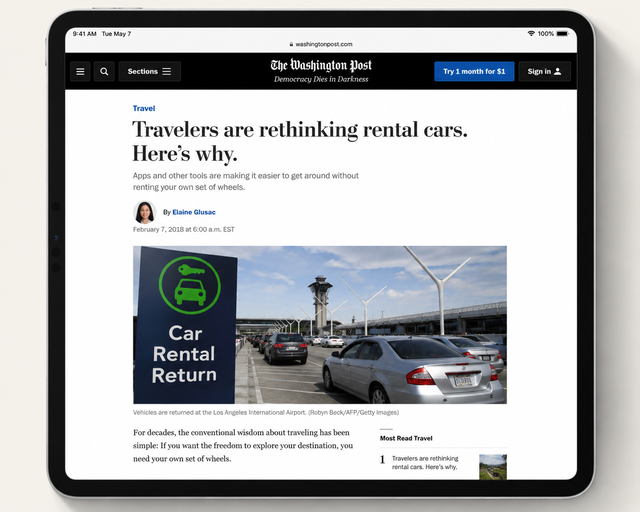
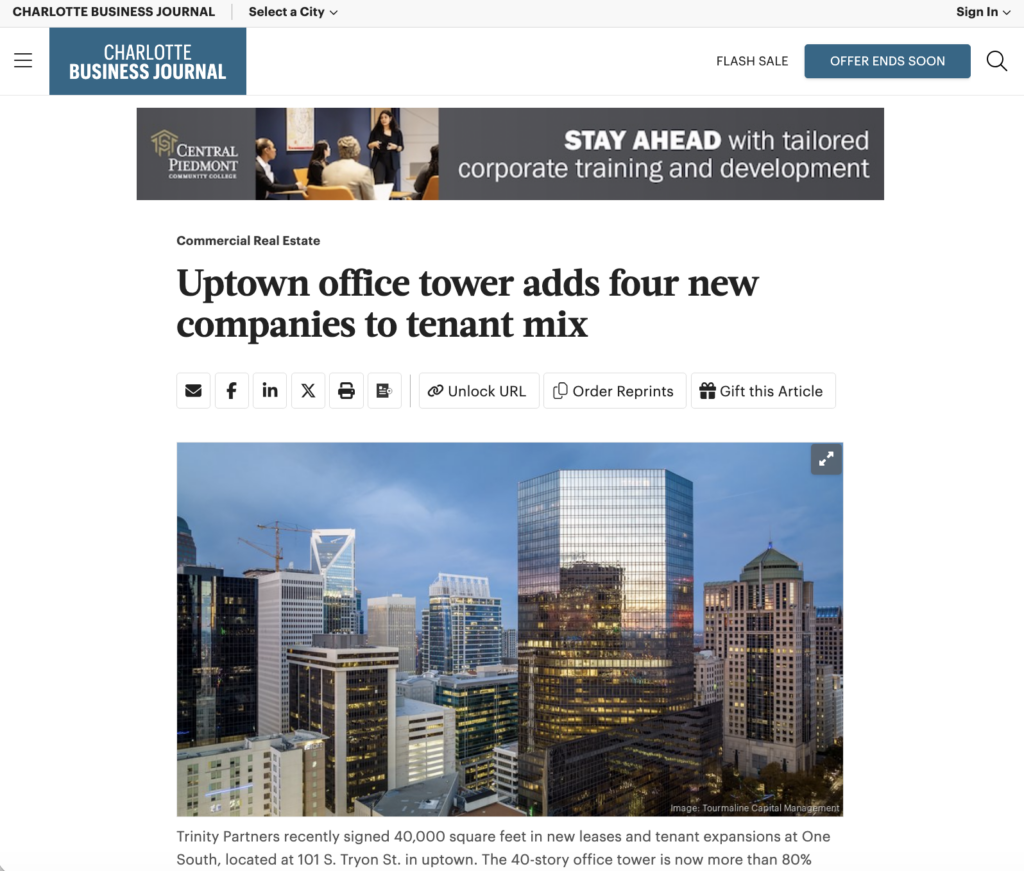
- Pitching a real estate developer’s market perspective exclusively to a regional business journal, with data from their own transactions
- Working with a hospitality brand’s leadership to place an op-ed in a travel trade publication tied to a trend the editor is already tracking
- Identifying the specific reporters who cover your category and building a story angle around something genuinely new and useful to their readers
These placements take more strategy and effort than hitting “send all.” But they produce the kind of editorial coverage — with a byline, a storyline, and a journalist’s stamp of approval — that AI systems are built to recognize and surface.
The New PR Playbook
To stay competitive, brands need to rethink how PR, content and thought leadership work together. Here’s what that looks like in practice:
- Thought leadership is non-negotiable
Executives need a clear, repeatable point of view, not just reactive quotes when a reporter comes knocking. That means trend commentary tied to your industry, data-backed insights from your own work, and even the occasional contrarian take. Safe, generic opinions don’t build authority. According to The Digital Bloom’s 2025 AI citation analysis, adding original statistics can increase AI visibility by 22%, while including direct quotes from named experts can boost it by 37%.
- Earned media should be ongoing, not episodic
Think of PR less like a campaign and more like a pipeline. Proactive media pitching, contributed articles, op-eds and expert commentary aren’t nice-to-haves anymore. They’re the infrastructure. Meltwater’s research on GEO confirms that brands with strong earned media consistently rank higher in generative answers, AI summaries and recommendation-style queries.
- Content and PR need to talk to each other
Your owned content should be fueling your earned strategy, not living in a separate silo. For example:
- A blog post becomes a media pitch angle
- Original data or insights become quote-ready soundbites
- Client case studies become proof points for reporters
- Consistency is everything
The brands that win in this environment show up regularly, say something meaningful and reinforce the same core expertise over time. That consistency is what gets recognized — both by journalists and by AI. As Muck Rack puts it, “one article isn’t enough” — what matters is being seen again and again in places people already trust.
PR for Real Estate, Hospitality and Beyond
For industries where reputation is everything — real estate, development, hospitality — this shift carries extra weight. Your clients are making big decisions, and they’re increasingly turning to AI-powered tools to help inform those decisions before they ever pick up the phone.
If you’re not being quoted in industry publications, contributing to relevant conversations and demonstrating expertise publicly, you risk becoming invisible, not just to people searching for you, but to the platforms shaping how that search happens. The good news: industries like real estate and hospitality are rich with story potential. The brands that learn to turn that material into targeted, newsworthy pitches — rather than blanket announcements — will be the ones AI surfaces when it matters most.
The Bottom Line
PR has always been about being in the right rooms and saying the right things. What’s changed is that the room is now partly digital, partly algorithmic, and the bar for what counts as “the right things” has gotten a lot higher.
In a world where AI is helping answer the questions your audience is asking, earned media has become the filter for who gets included in that answer — and who gets left out. The brands investing in consistent, strategic, high-quality PR now are the ones that will show up when it matters. Not the ones who sent the most press releases.
Ready to ramp up your PR and make sure your brand is showing up in all the right places — including AI? Let’s talk.