
Community Engagement
Beyond the Public Meeting: How Municipal and Utility Organizations Can Build Lasting Community Engagement
July 2, 2026


For most municipal and utility organizations, “community engagement” still looks a lot like it did twenty years ago: a public hearing notice buried in a local paper, a sparsely attended town hall on a Tuesday night, and a comment box on a website that hasn’t been redesigned since 2014.
And yet the expectations of the communities these organizations serve have changed dramatically. Residents today expect the same transparency, responsiveness, and personalization from their city government or water utility that they get from their favorite brands. They want to be heard–not just informed. They want to participate—not just be consulted.
The gap between what communities expect and what most public sector organizations deliver represents one of the biggest untapped opportunities in municipal and utility communications. Closing that gap doesn’t require a massive budget. It requires a shift in mindset—from simply broadcasting messages to actively building relationships.
Why Traditional Engagement Falls Short
Let’s be honest about the current state of community engagement in the public sector. Most municipalities and utilities are checking a box. They hold the legally required public hearings. They post the mandated notices. But compliance isn’t the same as connection.
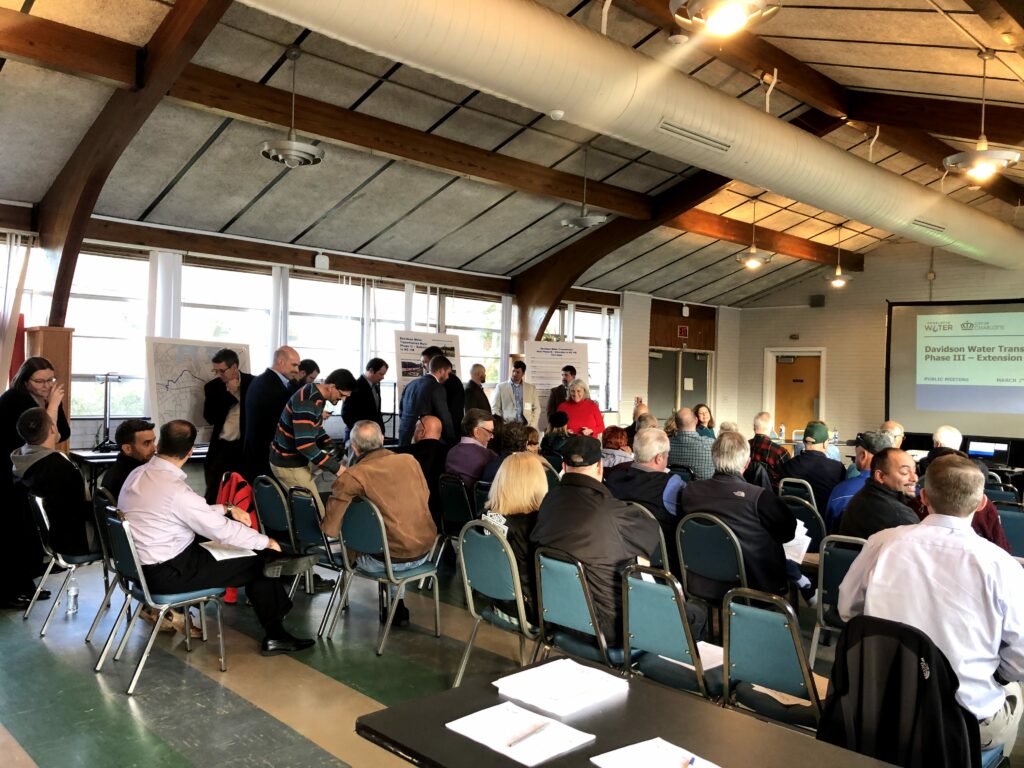
The town hall model was designed for an era when information was scarce, and communities were smaller. Today’s residents are overwhelmed with information and short on time. Asking them to drive to a municipal building at 7 p.m. on a weeknight to hear a presentation they could read in five minutes isn’t engagement—it’s an imposition.
The result? The only people who show up are the ones with the loudest complaints, creating a feedback loop that skews toward negativity and away from the broader community sentiment. Meanwhile, the silent majority–the residents who are generally satisfied but have ideas and preferences worth hearing—stay home.
For utilities in particular, this dynamic is especially costly. Rate adjustments, infrastructure projects, and service changes all require a degree of public trust that can’t be manufactured overnight. When the only time you communicate with your customers is when you need something from them—approval, patience, money—you’ve already lost the narrative.
The Engagement Shift: From Informing to Evolving
The most effective municipal and utility communicators are moving beyond the inform-and-comply model toward something more dynamic: a sustained, two-way dialogue with the communities they serve.
This isn’t about adopting every new digital platform or chasing trends. It’s about rethinking the relationship between a public-sector organization and the people it serves. Here’s what that looks like in practice.
1. Meet People Where They Already Are
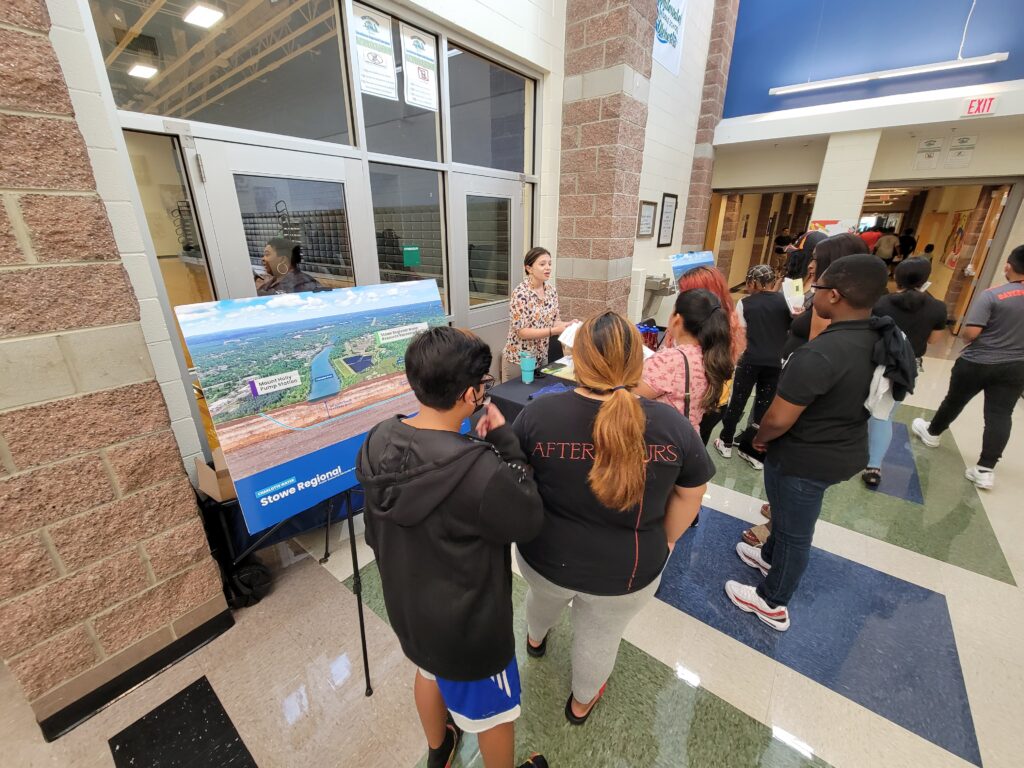
If your engagement strategy depends on people coming to you, you’re already at a disadvantage. The organizations seeing the strongest community participation are the ones embedding themselves in existing community rhythms—neighborhood social media groups, school pickup lines, farmers’ markets, and local events.
Digital channels amplify this even further. Short-form video, interactive polls, and social media Q&A sessions can reach thousands of residents who would never attend a formal public meeting. The key is choosing channels your community actually uses, not the ones you’re most comfortable managing.
2. Make It Easy to Participate
Every barrier you place between a resident and their ability to provide input is a barrier to trust. Long surveys, complicated public comment portals, and jargon-heavy notices all signal the same thing: we don’t really want to hear from you.
Simplify. A three-question survey will always outperform a thirty-question one. A text message update will always reach more people than a mailed notice. A sixty-second video explaining a rate change will always be more effective than a ten-page PDF.
This doesn’t mean oversimplifying complex issues. It means respecting your audience’s time and meeting them at the level of detail they actually need. For those who want the deep dive, make it available—but don’t make it the default.
3. Close the Loop
Nothing kills community trust faster than asking for input and then disappearing. When residents take the time to share their thoughts—whether through a survey, a public meeting, or a social media comment—they need to know what happened with that input.
Closing the loop doesn’t have to be elaborate. A follow-up email that says, “Here’s what we heard, and here’s what we’re doing about it” can be transformative. It demonstrates that participation matters and that the organization is actually listening, not just performing the act of listening.
Municipalities that consistently close the loop are much more likely to see measurably higher participation rates in subsequent engagement efforts. Trust compounds.
Building Engagement into Your Communications Strategy
Community engagement shouldn’t be an afterthought added to your communications plan. It should be woven into the fabric of how your organization communicates, every day, across every channel.
That means thinking about engagement as a continuous cycle rather than a series of isolated events. Here are the components that make it work.
1. Consistent Storytelling
Every infrastructure project, rate decision, and policy change has a story behind it. Most municipalities and utilities skip the story and go straight to the facts, assuming the public just needs the “what.” But the “why” is what earns buy-in.
When a utility needs to invest in aging water infrastructure, the story isn’t about pipe materials and construction schedules. It’s about clean water for the next generation. When a city updates its comprehensive plan, the story isn’t about zoning categories. It’s about the kind of community residents want to live in.
Consistent storytelling across all touchpoints—from your website and social channels to bill inserts and annual reports—creates a narrative thread that helps residents understand and connect with the work their local government or utility is doing.
2. Inclusive Design
True community engagement reaches everyone—not just the digitally connected, the English-speaking, or the already-engaged. Thoughtful communications strategies account for language barriers, accessibility needs, and the digital divide.
This is where many organizations fall short, not out of malice but out of inertia. Translating key materials into the languages your community speaks, ensuring digital content meets accessibility standards, and providing offline engagement options aren’t nice-to-haves. They’re the baseline for authentic engagement.
3. Measurement That Matters
If you’re measuring engagement success by the number of people who attended a public hearing, you’re measuring the wrong thing. Meaningful metrics look at the breadth of participation (are you hearing from a representative cross-section of your community?), the depth of input (are people providing substantive feedback?), and the impact on outcomes (did community input actually shape the final decision?).
These metrics are harder to track than attendance counts, but they’re far more valuable. They tell you whether your engagement efforts are building the kind of trust that pays dividends in difficult conversations—such as rate increases, service disruptions, or controversial projects.
The Long Game: Why Engagement Is an Investment, Not an Expense
Municipal and utility leaders often view community engagement as a cost center—time and money spent on outreach that may or may not yield measurable results. But the organizations that treat engagement as a strategic investment consistently outperform those that don’t.
Communities with strong engagement programs see faster project approvals, fewer legal challenges, higher rates of voluntary compliance, and stronger public support during crises. A water utility that has spent years building trust with its customers will face far less resistance during a necessary rate adjustment than one that only reaches out when it needs approval.
Perhaps most importantly, genuine community engagement improves the quality of decisions. Residents bring local knowledge, lived experience, and creative perspectives that can’t be replicated by consultants or internal staff. The city that listens to its residents doesn’t just make more popular decisions—it makes better ones.
Start Where You Are
You don’t need a six-figure budget or a dedicated engagement team to start building deeper connections with your community. You need a commitment to listening, a willingness to show up where your residents already are, and the discipline to close the loop every single time.
Start with one project, one channel, one conversation. Pay attention to what resonates and what falls flat. Iterate. Community engagement isn’t a destination—it’s a practice. And like any practice, it gets stronger the more consistently you show up.
The municipalities and utilities that will thrive in the coming years aren’t the ones with the biggest budgets. They’re the ones with the deepest relationships. And those relationships start with a single, genuine question: What does your community need to hear and how do they need to hear it?
Ready to strengthen your municipal or utility communications? Connect with our team to discuss your next project.